Same Active Ingredient, Different Price Tag: What Men Should Really Know About Generic ED Medications
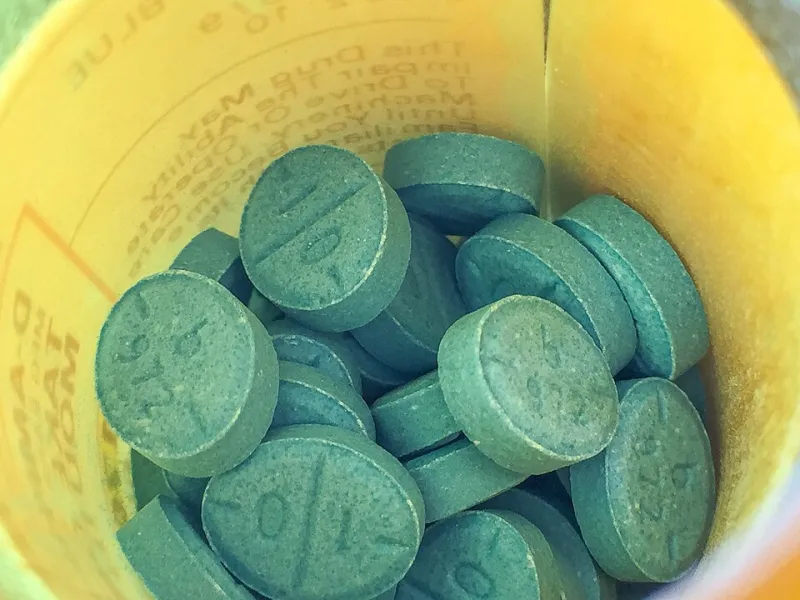
Photo: Tony Webster from Minneapolis, Minnesota, United States, CC BY 2.0, via Wikimedia Commons
When sildenafil — the active compound in Viagra — lost its patent exclusivity in the United States in 2017, something remarkable happened. A medication that had retailed for well over $60 per pill became available in generic form for as little as $1 to $4 per dose through major pharmacy chains and licensed online providers. For the millions of American men managing erectile dysfunction, this shift was more than a market development. It was a financial turning point.
Yet despite the savings and widespread availability, a significant segment of consumers remains skeptical of generic medications. Questions about quality, effectiveness, and safety persist — fueled partly by unfamiliarity with regulatory processes and partly by deeply ingrained assumptions about price and value. This article is designed to address those concerns with clarity and precision.
What "Generic" Actually Means
A generic drug is not a copy or an approximation of a brand-name medication. It is a pharmaceutical product that contains the identical active ingredient, at the identical dose and strength, administered via the same route, and held to the same standards of quality and purity as its branded counterpart.
The U.S. Food and Drug Administration (FDA) requires that generic manufacturers demonstrate bioequivalence before a drug can be approved. Bioequivalence means that the generic version delivers the same amount of active ingredient into the bloodstream at the same rate as the original. The FDA's threshold for acceptable variance is narrow — the generic's absorption rate must fall within 80 to 125 percent of the reference drug, and in practice, most approved generics fall within 3 to 5 percent.
In plain terms: the pharmacological effect of FDA-approved generic sildenafil, tadalafil, or vardenafil is clinically indistinguishable from that of Viagra, Cialis, or Levitra.
The Role of Patent Exclusivity in Drug Pricing
To understand why brand-name ED medications cost so much more, it helps to understand pharmaceutical economics. When a drug company develops a new compound, it receives patent protection — typically around 20 years from the date of filing. During this window, the manufacturer holds exclusive rights to sell the medication, which allows them to recoup research and development costs and generate profit.
Once that patent expires, other manufacturers can produce and sell the same compound under generic labeling. Because these companies did not bear the original R&D costs, they can price their products dramatically lower. Competition among multiple generic manufacturers drives prices down further over time.
This is not a loophole or a compromise in quality standards. It is the designed lifecycle of pharmaceutical development in the United States.
The Major ED Medications: Brand vs. Generic
The four most widely prescribed oral ED medications in the U.S. each have generic equivalents currently available:
| Brand Name | Active Ingredient | Generic Available | Typical Brand Cost (per dose) | Typical Generic Cost (per dose) |
|---|---|---|---|---|
| Viagra | Sildenafil | Yes | $60–$80 | $1–$6 |
| Cialis | Tadalafil | Yes | $60–$80 | $2–$8 |
| Levitra | Vardenafil | Yes | $55–$75 | $5–$15 |
| Stendra | Avanafil | Yes (limited) | $70–$90 | $20–$40 |
Prices vary by pharmacy, insurance coverage, and whether discount programs or manufacturer coupons are applied. Licensed online pharmacies and telehealth platforms have further compressed costs, particularly for sildenafil and tadalafil.
Addressing Common Misconceptions
"Generic medications are lower quality." This is perhaps the most persistent misconception in consumer pharmaceutical awareness. FDA-approved generics are manufactured in facilities subject to the same Good Manufacturing Practice (GMP) regulations as brand-name drugs. The inactive ingredients — binders, fillers, dyes — may differ, but these components do not affect therapeutic efficacy. If a patient experiences a different response to a generic, it is more likely attributable to formulation differences (such as tablet coating affecting absorption speed) than to any difference in active ingredient quality.
"If it's cheaper, it must be less effective." Price is not a proxy for pharmaceutical potency. The cost differential between brand and generic ED medications reflects business economics, not biochemistry.
"My doctor will only prescribe the brand name." Most U.S. physicians and urologists are well aware of and supportive of generic ED medications. In fact, many will specifically prescribe the generic to reduce out-of-pocket costs for patients. If a prescription is written for a brand name, patients are generally entitled to request the generic equivalent at the pharmacy.
Insurance Coverage and Cost Considerations
Insurance coverage for ED medications in the United States is inconsistent. Many commercial health plans and Medicare Part D programs do not cover these drugs, classifying them as lifestyle medications rather than medically necessary treatments. However, this landscape is evolving — particularly as evidence mounts connecting erectile dysfunction to cardiovascular health.
For men paying out of pocket, generic options provide substantial relief. Prescription discount programs such as GoodRx, RxSaver, and manufacturer patient assistance programs can further reduce costs at participating pharmacies. Some telehealth platforms that specialize in men's sexual health bundle physician consultation fees with medication costs, making the overall process more accessible and affordable.
How to Make an Informed Decision
Choosing between a brand-name and generic ED medication is not a decision that requires extensive deliberation for most men — the evidence strongly supports the equivalence of FDA-approved generics. However, a few individual factors are worth discussing with a healthcare provider:
- Formulation preferences. Tadalafil (Cialis) is available in a daily low-dose formulation as well as an as-needed dose. Ensure the generic you're prescribed matches the intended use.
- Tablet splitting. Some men purchase higher-dose sildenafil tablets and split them to reduce per-dose cost. This is a practice some physicians recommend, but it should be discussed with a provider before attempting.
- Drug interactions. Regardless of brand or generic status, all PDE5 inhibitors carry the same contraindication with nitrate medications. This is a clinical consideration, not a formulation one.
- Response variability. Some men respond better to one PDE5 inhibitor than another. If sildenafil is not producing the desired effect, switching to tadalafil or vardenafil — in either brand or generic form — may yield better results.
The Bottom Line
The science is settled: FDA-approved generic ED medications contain the same active ingredients, meet the same safety and efficacy standards, and produce the same therapeutic outcomes as their brand-name predecessors — at a fraction of the cost. For men in the United States navigating the management of erectile dysfunction, this represents a meaningful opportunity to access effective treatment without unnecessary financial strain.
Making an informed decision means understanding the regulatory framework, asking the right questions, and working with a licensed healthcare provider to identify the option that best fits your health profile and your budget. The brand name on a package has never been the measure of a medication's value.