The Cabinet Test: What an Old Bottle of Sildenafil Is Actually Telling You
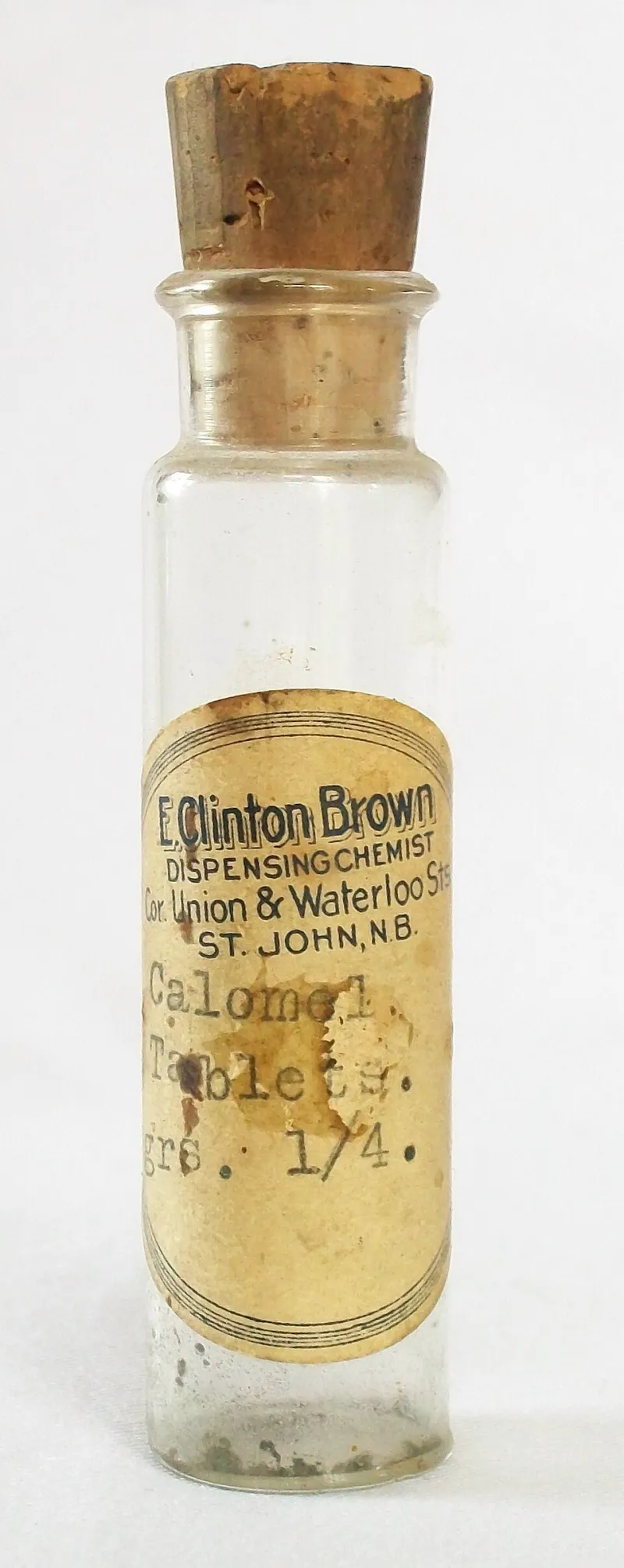
Photo: terry lavigne, CC0, via Wikimedia Commons
Somewhere in most American medicine cabinets sits a bottle of sildenafil or tadalafil with a date printed on the label — a date that has quietly passed. The instinct is binary: toss it, or take it anyway. Both answers deserve more scrutiny than they usually get.
What an Expiration Date Actually Guarantees
An expiration date is not a countdown to danger. It is the manufacturer's certified promise that the drug will retain at least 90 percent of its labeled potency through that date, assuming proper storage. After that point, the manufacturer stops making claims — but the drug does not transform into something harmful overnight.
The FDA's Shelf-Life Extension Program (SLEP), which tested hundreds of medications stockpiled for the military, found that many drugs retained most of their potency years beyond their printed dates. Sildenafil is a relatively stable molecule, and the practical takeaway for consumers is that a tablet a year or two past expiration, stored well, will likely be somewhat weaker rather than dangerous.
"Somewhat weaker" is the operative phrase. For a medication where timing and dose matter to performance, gradual potency loss is not a trivial matter.
When an Old Pill Becomes a Real Problem
Potency decline is the mild scenario. The more serious concerns are physical and situational:
- Heat and humidity. Bathrooms — where many men keep their medication — are the worst possible storage environment. Steam and temperature swings accelerate degradation, and degraded sildenafil may not merely weaken; it can change physically.
- Visible changes. Discoloration, crumbling, spotting, or any unusual odor are non-negotiable signs to discard the tablet.
- Combination products. Pills formulated with other active ingredients may degrade less predictably than sildenafil alone.
- Questionable sourcing. A tablet from an unverified online pharmacy was never guaranteed potent to begin with, expiration date or not.
There is also an economic argument for freshness. An underdosed pill that fails in the moment costs more than peace of mind — it costs confidence, and it may tempt a dangerous second dose within the same day.
Storage: Where Most Men Get It Wrong
Proper storage is unglamorous but effective. Keep tablets in their original container with the desiccant packet intact, at room temperature roughly between 68 and 77 degrees Fahrenheit. A bedroom dresser drawer beats a bathroom cabinet. Keep the bottle away from windows, radiators, and cars, where summer interiors in much of the US can exceed 120 degrees — conditions that can degrade medication in days, not years.
If you travel with medication, the original labeled bottle is worth carrying, both for potency and for the realities of airport security and state pharmacy inspections.
The Sensible Decision Framework
For a tablet that has been stored properly and shows no physical changes, being modestly past its date is generally a low-risk, reduced-efficacy situation — reasonable to use if the alternative is nothing, but not ideal when consistency matters. For tablets that are years old, heat-exposed, altered in appearance, or of uncertain origin, replacement is the wiser investment.
Perhaps the most important move is preventive: when you notice a bottle aging out, that is a natural moment for a prescription renewal and a conversation with your pharmacist or prescribing clinician. Expiration dates, handled well, are not a source of anxiety. They are a reminder that sexual health treatment deserves the same attention to detail as any other part of your medical life.