Iron, Intervals, and Blood Flow: The Exercise Prescription Your Erections Have Been Waiting For
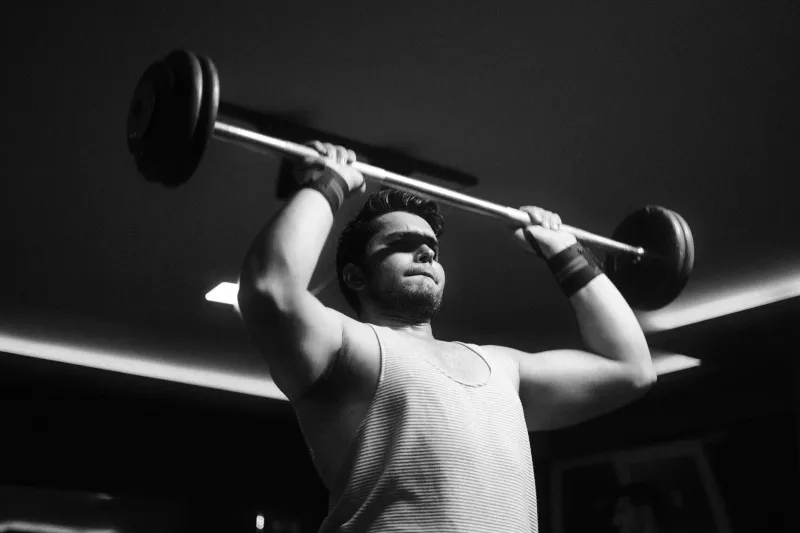
Walk into any commercial gym in America—from a Planet Fitness in Ohio to a boutique strength studio in Austin—and you'll see men chasing bigger arms, leaner waistlines, and heavier bench presses. What far fewer realize is that many of those same training habits are quietly shaping something no one talks about at the squat rack: erectile function.
The connection isn't metaphorical. An erection is a vascular event, and vascular health is precisely what exercise builds or destroys. For men already using ED medication, or hoping to reduce their reliance on it, the weight room and the treadmill may be among the most underutilized tools in the entire treatment plan.
Why Exercise Is, Functionally, an Erection Drug
PDE5 inhibitors like sildenafil work by preserving nitric oxide signaling, which allows the smooth muscle in penile arteries to relax and blood to flow in. Aerobic exercise triggers the same pathway naturally. Regular cardio increases nitric oxide availability, improves endothelial function, and lowers blood pressure—all of which translate directly into better erectile response.
The research backs this up consistently. Studies of men with metabolic syndrome and cardiovascular risk factors have shown that structured aerobic programs—roughly 40 minutes of moderate-to-vigorous activity, four times per week—produce measurable improvements in erectile function over a matter of months. The effect scales with consistency, not intensity.
The Three Types of Training That Matter Most
Cardiovascular Exercise
Think of aerobic work as maintenance for the plumbing. Brisk walking, incline treadmill sessions, rowing, swimming, and cycling on flat terrain all improve endothelial health. For men whose ED has a vascular component—which is true for a majority of cases, especially after age 40—this is the foundation. The American Heart Association's baseline of 150 minutes of moderate activity per week is a reasonable floor, not a ceiling.
Resistance Training
Lifting weights does something cardio alone cannot: it improves insulin sensitivity and raises testosterone modestly, particularly when compound movements like squats, deadlifts, and rows are performed with adequate rest between sessions. Low testosterone isn't always the driver of ED, but metabolic dysfunction frequently is, and strength training attacks it directly. Two to three full-body sessions per week is the sweet spot for most men.
Pelvic Floor Work
Kegels aren't just for postpartum women. Randomized trials have shown that pelvic floor muscle training improves erectile rigidity in men with certain types of ED, likely by enhancing the venous occlusion mechanism that keeps blood trapped during an erection. The catch: most men do them wrong. A session with a pelvic floor physical therapist—increasingly covered by insurance in the US—can ensure you're contracting the right muscles rather than your abdominals or glutes.
When the Gym Works Against You
Not every sweat session is an ally. A few common habits deserve scrutiny.
Excessive cycling. Long hours on a road bike with a narrow saddle compress the perineum, and with it, the pudendal nerve and arteries. Competitive cyclists log far more saddle time than the average rider, but even recreational men logging 150-plus miles a week on aggressive saddles report numbness and, in some studies, elevated rates of erectile dysfunction. A cut-out or noseless saddle, proper bike fit, and standing breaks every ten minutes go a long way.
Overtraining. Chronic, unrecovered training volume elevates cortisol, suppresses testosterone, and disrupts sleep—the same trio of saboteurs that undermines ED treatment in sedentary men. If your libido has cratered alongside a punishing training block, the program may be the problem.
Anabolic steroid use. This one deserves blunt language. Exogenous steroids shut down the body's natural testosterone production, and the recovery afterward can be incomplete. Steroid cycles are a documented cause of sexual dysfunction, including ED, in men who assumed bigger muscles meant better performance everywhere. No legitimate ED treatment plan should coexist with unsupervised steroid use.
A Practical Weekly Blueprint
Here's a realistic template that complements, rather than competes with, an ED treatment plan:
- Monday: Full-body strength training, 45–60 minutes (squats, presses, rows)
- Tuesday: 30–40 minutes moderate cardio (brisk walk, row, swim)
- Wednesday: Rest or light mobility work
- Thursday: Full-body strength training, 45–60 minutes
- Friday: 30–40 minutes cardio, ideally outdoors
- Saturday: Pelvic floor exercises (3 sets of 10 slow holds, twice daily on training and rest days) plus a recreational activity—hike, bike with a proper saddle, pickup basketball
- Sunday: Full rest
Two cautions worth stating plainly. First, men with known cardiovascular disease should clear any new exercise program with their physician—ED and heart disease share the same underlying plumbing, and chest pain during exertion is a red flag that warrants immediate attention. Second, exercise is a complement to medical treatment, not a substitute for it. Men prescribed sildenafil or a similar medication should continue following their doctor's instructions while the fitness habit compounds in the background.
The Long Game
There's no single workout that fixes erectile dysfunction, and any article promising one is selling something. What exists instead is a well-documented pattern: men who move regularly, lift moderately, and protect their pelvic floor function tend to respond better to treatment, feel more energetic, and carry themselves differently in the bedroom and everywhere else.
That's not a quick fix. It's something better—a system that works in your favor every single week you show up.