Pouring Over the Evidence: What Alcohol Really Does to Your ED Medication
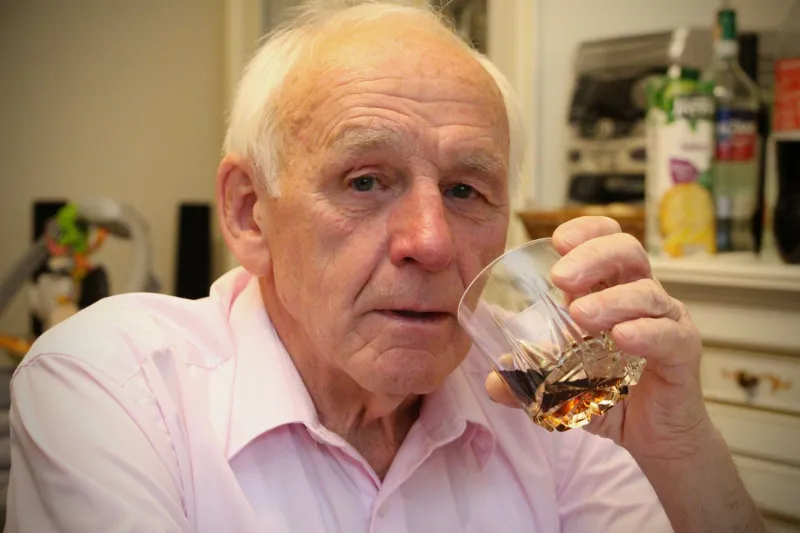
For many American men, an evening out involves a drink or two — a beer at a backyard cookout, a glass of bourbon after a long week, a toast at a wedding. When a man begins treatment for erectile dysfunction, one of the most common questions he brings to his physician or pharmacist is deceptively simple: Can I still drink? The prevailing folk wisdom says yes, so long as the consumption is modest. But the reality, according to the clinical literature, is more nuanced — and worth understanding before the next round is ordered.
Why the Combination Deserves Attention
Sildenafil, tadalafil, and their counterparts work by inhibiting the enzyme PDE5, which allows blood vessels in the penis to relax and fill with blood during arousal. Alcohol, meanwhile, is a vasodilator with a complicated relationship to circulation. In small amounts, it may lower blood pressure slightly; in larger amounts, it can impair the very mechanisms an ED medication is designed to support.
The problem is not that the two substances are chemically incompatible in a dramatic, life-threatening way for most healthy men. Rather, it is that they push the cardiovascular system in overlapping directions. Both can cause blood pressure to drop. When combined, that drop can become pronounced enough to produce dizziness, lightheadedness upon standing, fainting, or — in men with existing heart conditions or those taking nitrate medications — genuinely dangerous hypotension.
What the Research Actually Shows
Studies on sildenafil and alcohol have found that moderate drinking does not appear to meaningfully reduce the drug's effectiveness in healthy men. In other words, the medication can still work. But the studies also document an increase in side effects — headaches, flushing, and orthostatic dizziness chief among them — when alcohol is consumed alongside the pill.
There is also a second, quieter risk: alcohol's effect on the brain. Erectile function depends heavily on sexual arousal, which alcohol suppresses in a dose-dependent manner. A man who has had four drinks may find that his medication works perfectly at the vascular level while his desire, judgment, and physical responsiveness have already been dulled. He may then blame the drug for a failure that was, in truth, the whiskey's doing.
Where the Line Falls
Most clinicians draw the safe zone at roughly one to two standard drinks per occasion for men using ED medication — and fewer for men over 65, men on blood pressure therapy, or those with cardiovascular disease. A standard drink in the United States means 12 ounces of regular beer, 5 ounces of wine, or 1.5 ounces of distilled spirits.
A few practical thresholds worth remembering:
- Heavy drinking — three or more drinks — meaningfully raises the risk of side effects and undermines the medication's purpose.
- Timing matters. Consuming alcohol in the hours surrounding a dose of sildenafil increases the likelihood of a blood-pressure dip. Spacing drinks well before or after the medication reduces, though never eliminates, the interaction.
- Tadalafil users should note the longer window. Because tadalafil remains active in the body for up to 36 hours, drinking heavily on a Friday night can still interact with a dose taken Friday morning.
Red Flags That Demand a Stop
Men should be able to recognize the symptoms of a problematic interaction: a racing or irregular heartbeat, severe dizziness, fainting, chest pain, vision changes, or a sudden, severe headache. Any of these after combining alcohol with an ED medication warrants sitting or lying down immediately and, if symptoms persist, seeking medical attention. An erection lasting longer than four hours — priapism — is a medical emergency regardless of alcohol intake.
A Sensible Path Forward
None of this requires total abstinence. A single glass of wine with dinner is unlikely to interfere with treatment for most healthy men. What it does require is honesty — with oneself about how many drinks constitute "a couple," and with one's physician about actual drinking habits, since doctors can only calibrate advice to the truth.
For men who find that cutting back feels difficult, that difficulty is itself worth discussing with a healthcare provider. Alcohol dependence and erectile dysfunction frequently travel together, and addressing the first often improves the second.
The bottom line: the myth that alcohol and ED medication are simply incompatible is wrong — but so is the assumption that the combination is consequence-free. The evidence supports moderation, mindful timing, and an open conversation with a clinician. That is a small price for the confidence that effective treatment is meant to restore.